WILDLIFE CONSERVATION
Protecting giraffes and the ecosystems they depend on by supporting conservation partners, safeguarding habitats, and promoting biodiversity.
Funding Results:
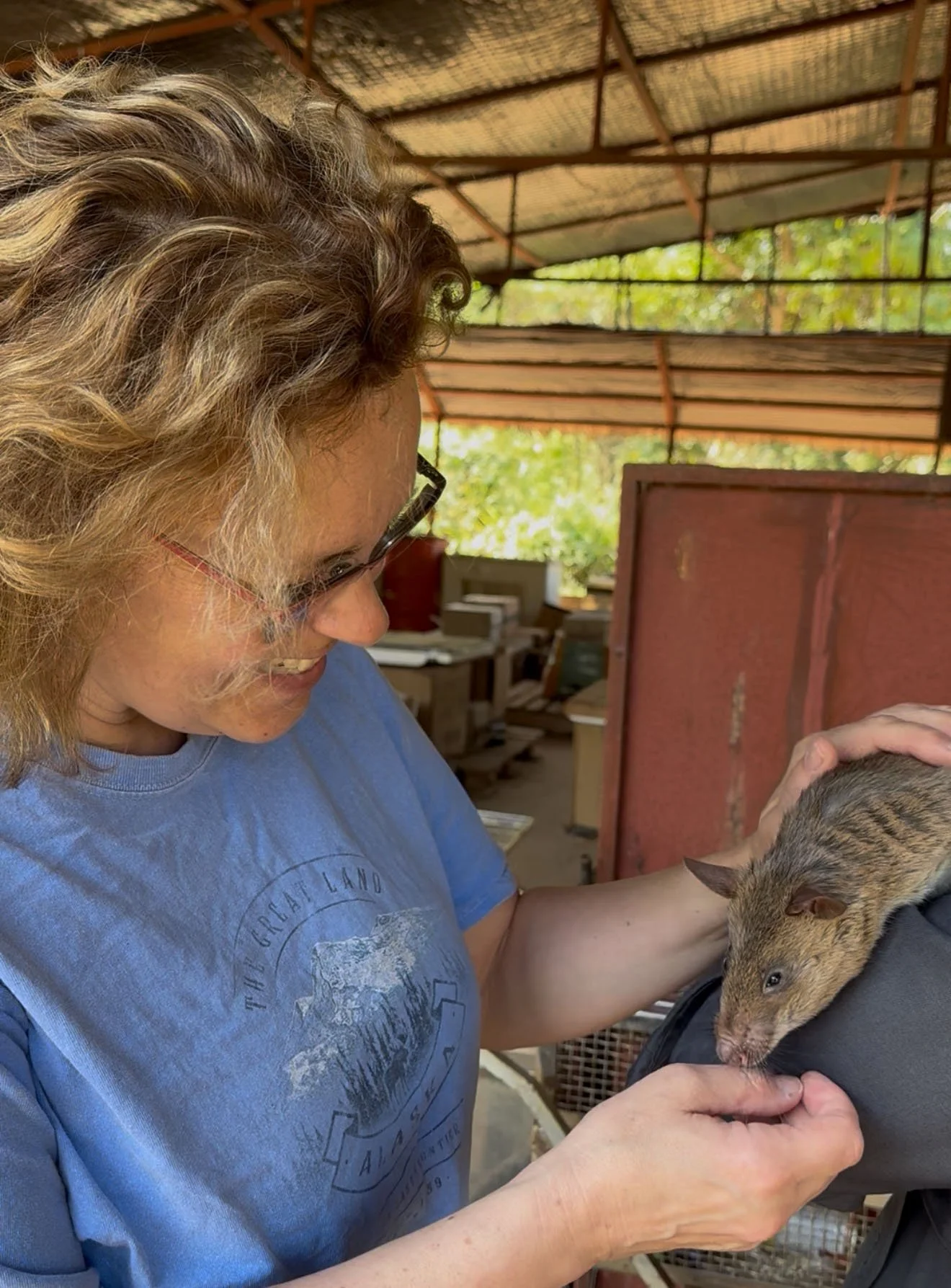
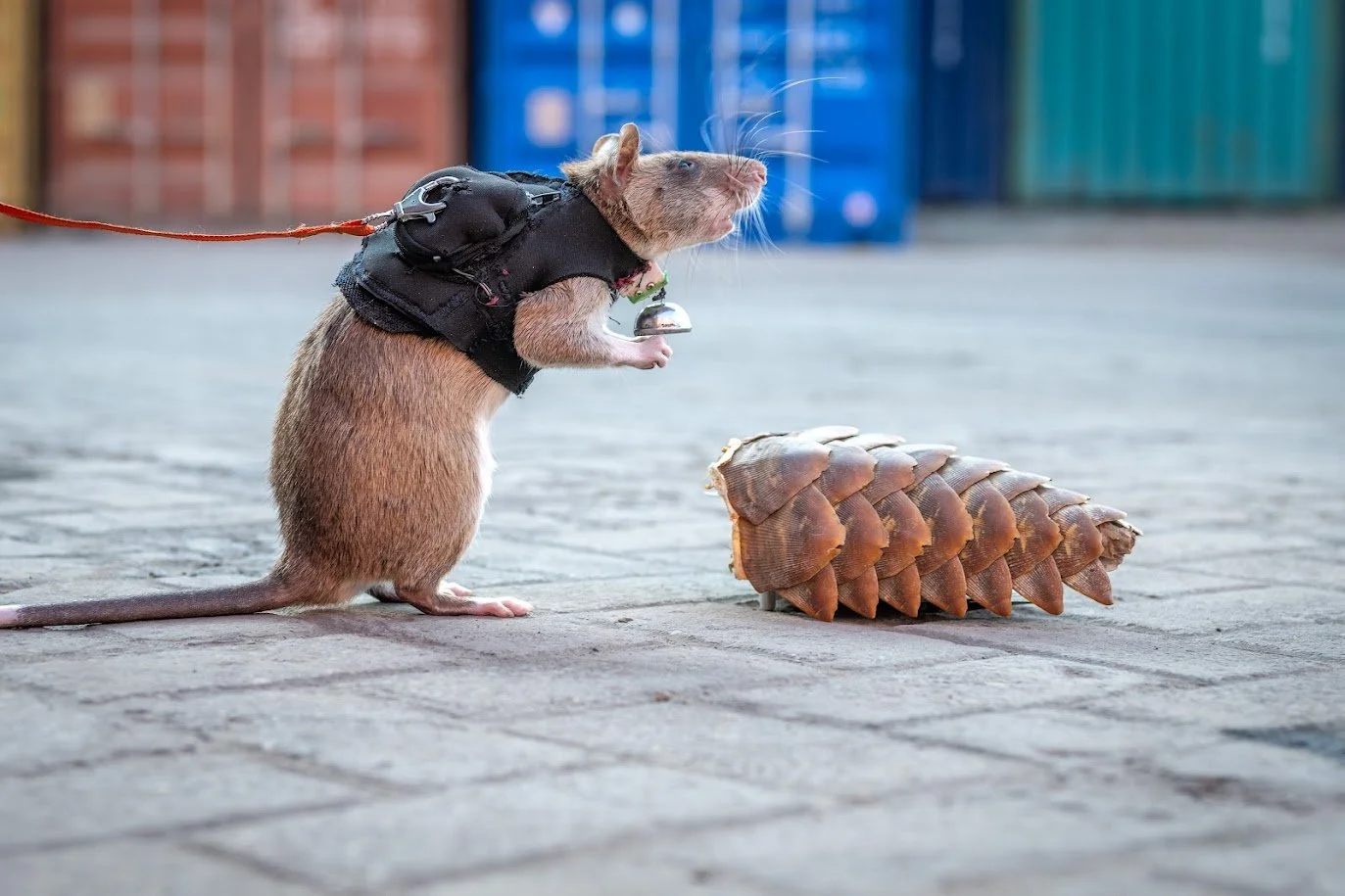
The Anne Innis Dagg Foundation is working with APOPO, a global non-profit organization that trains rats and other scent detection animals to protect people and the planet with effective detection solutions. They are best known for their landmine detection HeroRATs, but also work in other applications, including the detection of illegally trafficked wildlife products. The wildlife trafficking detection program uses giant pouched rats, HeroRATs, to scent-detect rhino horn, elephant ivory, pangolin scale, African blackwood, and most recently, giraffe.
Together, we’re breaking new ground: training rats to sniff out trafficked giraffe parts at ports in East Africa. Working alongside human handlers, these remarkable animals form an effective team in the fight against wildlife trafficking. Stopping the illegal trade in giraffe parts is a critical step in protecting this iconic and threatened species. This collaboration represents a unique and hopeful advancement in global anti-poaching efforts.
In support of this initiative, Mary Dagg and Board Member Fred Bercovitch travelled to Tanzania to meet with the APOPO team and witness firsthand the impact of this innovative program.
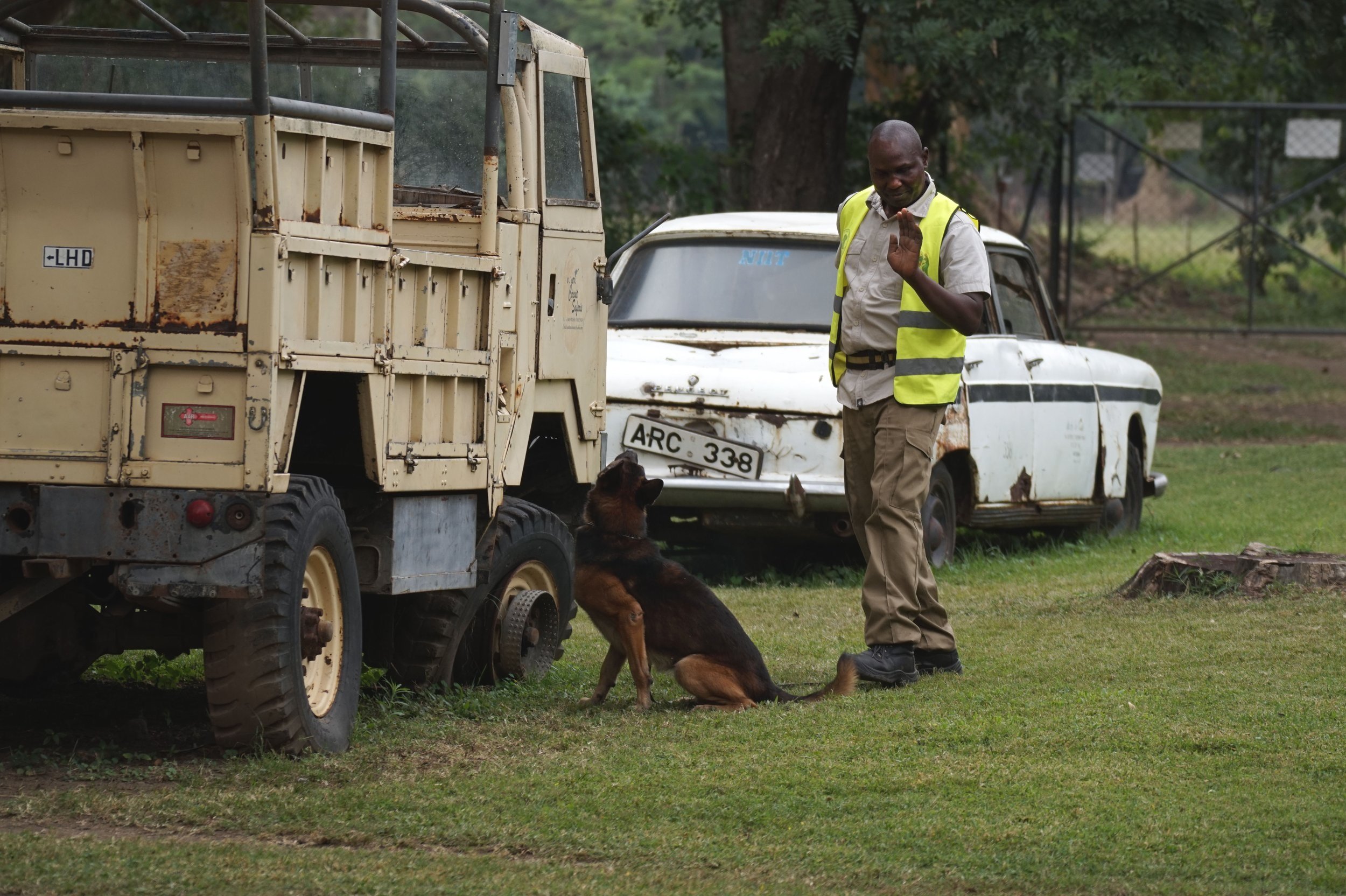
The AID Foundation also contributes to the operational costs associated with daily patrolling of high-risk poaching areas along the Kenya-Tanzania border through the African Wildlife Foundation. The program includes compensation for the ranger training and the ongoing support of the Canines for Conservation training program.
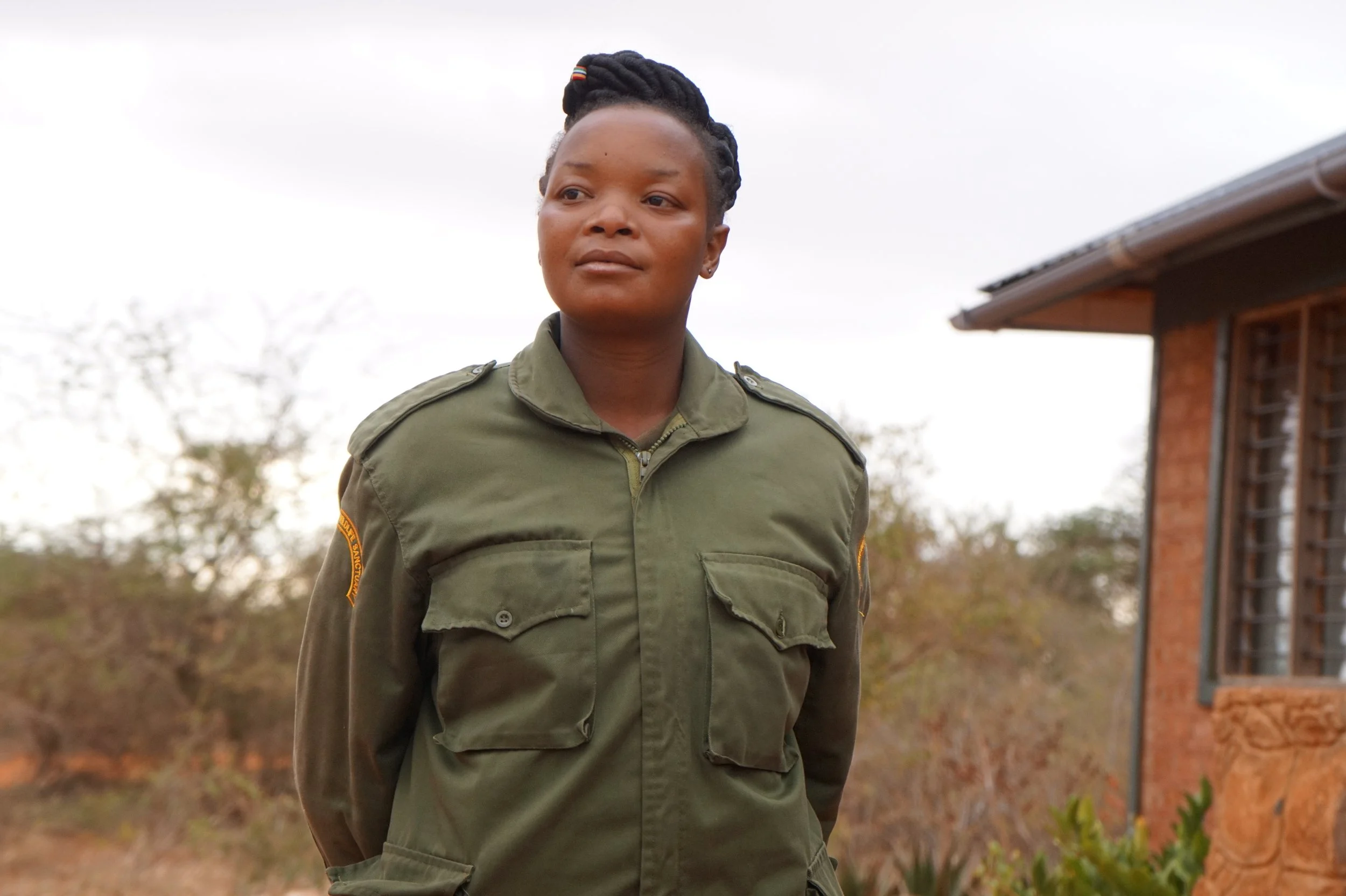
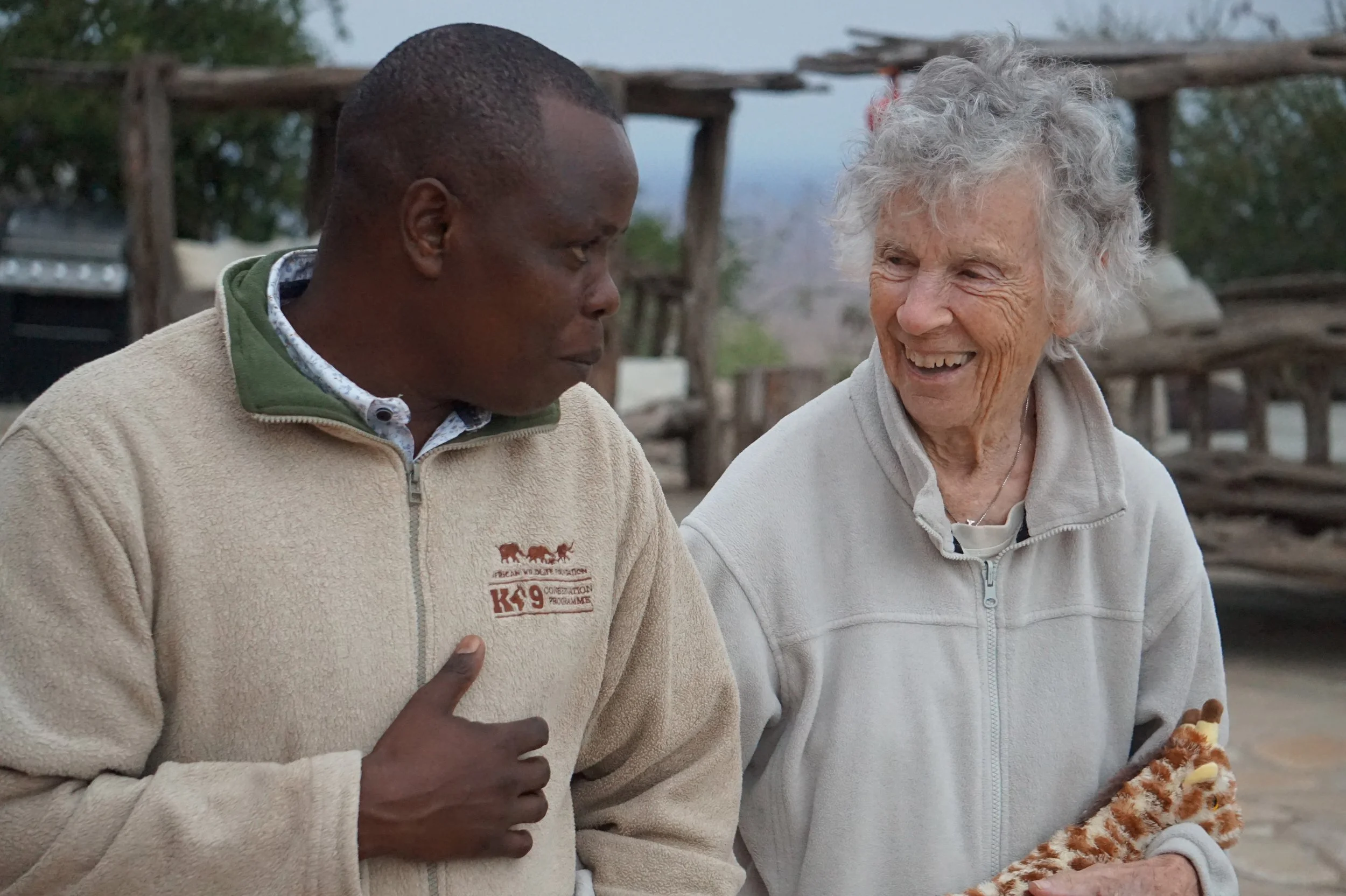
In 2023, Anne and the AID Foundation team met several of the rangers working in the field throughout the areas under the umbrella of the Taita Taveta Wildlife Conservancies Association (TTWCA). We were very impressed with their dedication to protecting giraffe and other at-risk animals by using sophisticated paramilitary techniques. Communication hardware is increasing the ability for conservancies to share information, which contributes to species tracking, security, and data capturing for future use.